


Anatomical Memento Mori Lanyard Bead Titanium
-
Overview
Roman generals kept a skull in view at their moment of triumph, a reminder that glory is temporary. Two thousand years later, PDW fabricated it in titanium via DMLS. Wear it on a lanyard. 6AL-4V, the alloy on your knife handle, your EDC tool, your watch case. Nothing to prove, everything to carry. -
ReviewsC
Should have been designed to accept 550 cord without stripping, otherwise it is outstanding.
TSkull BeadCompact, highly detailed! I do love these things, I foresee more lanyard on things so I can have more skulls
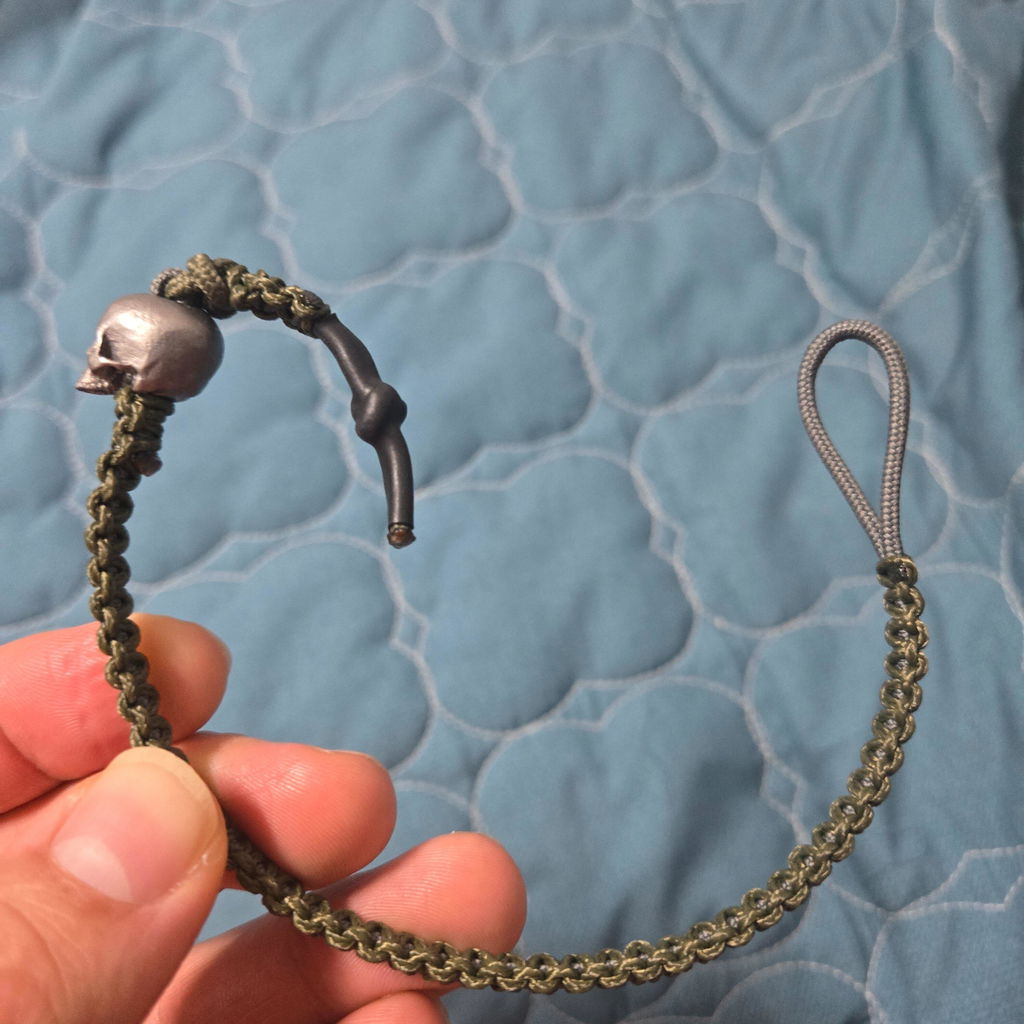
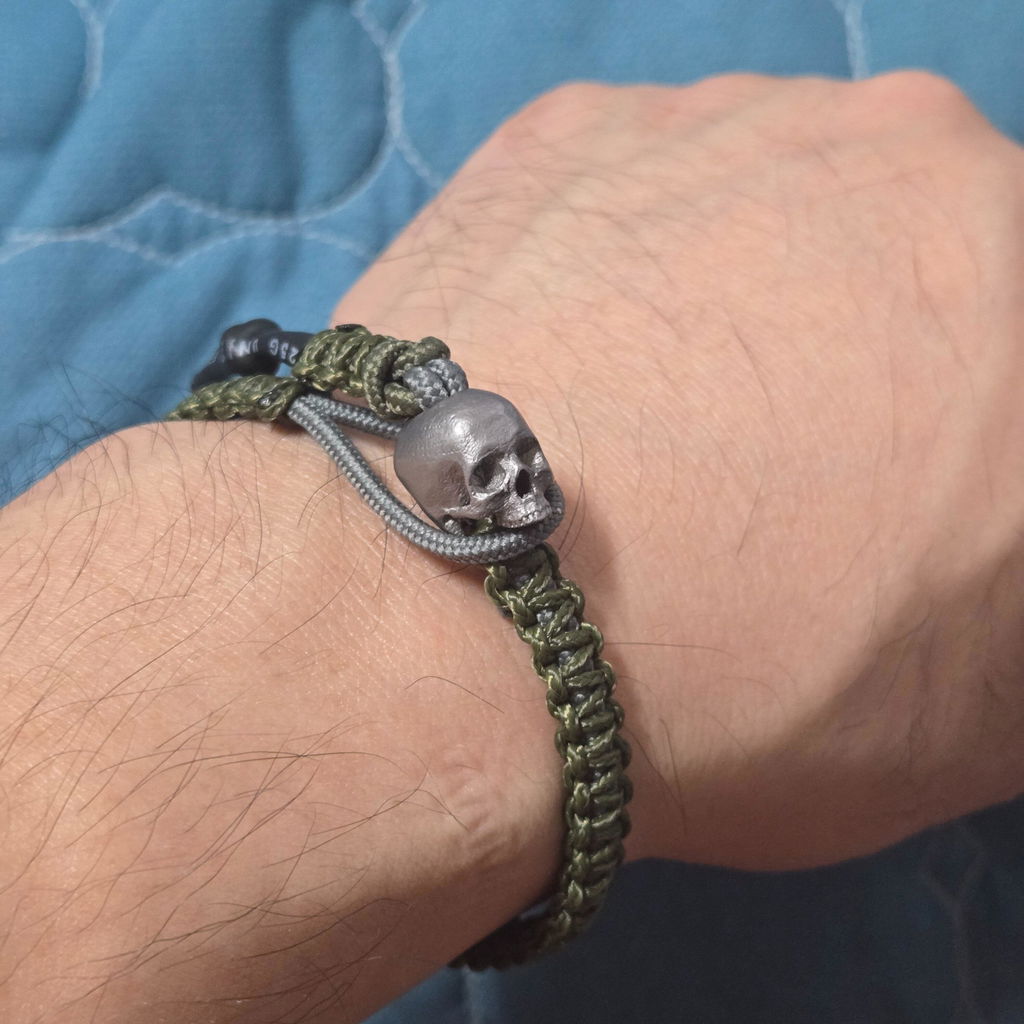
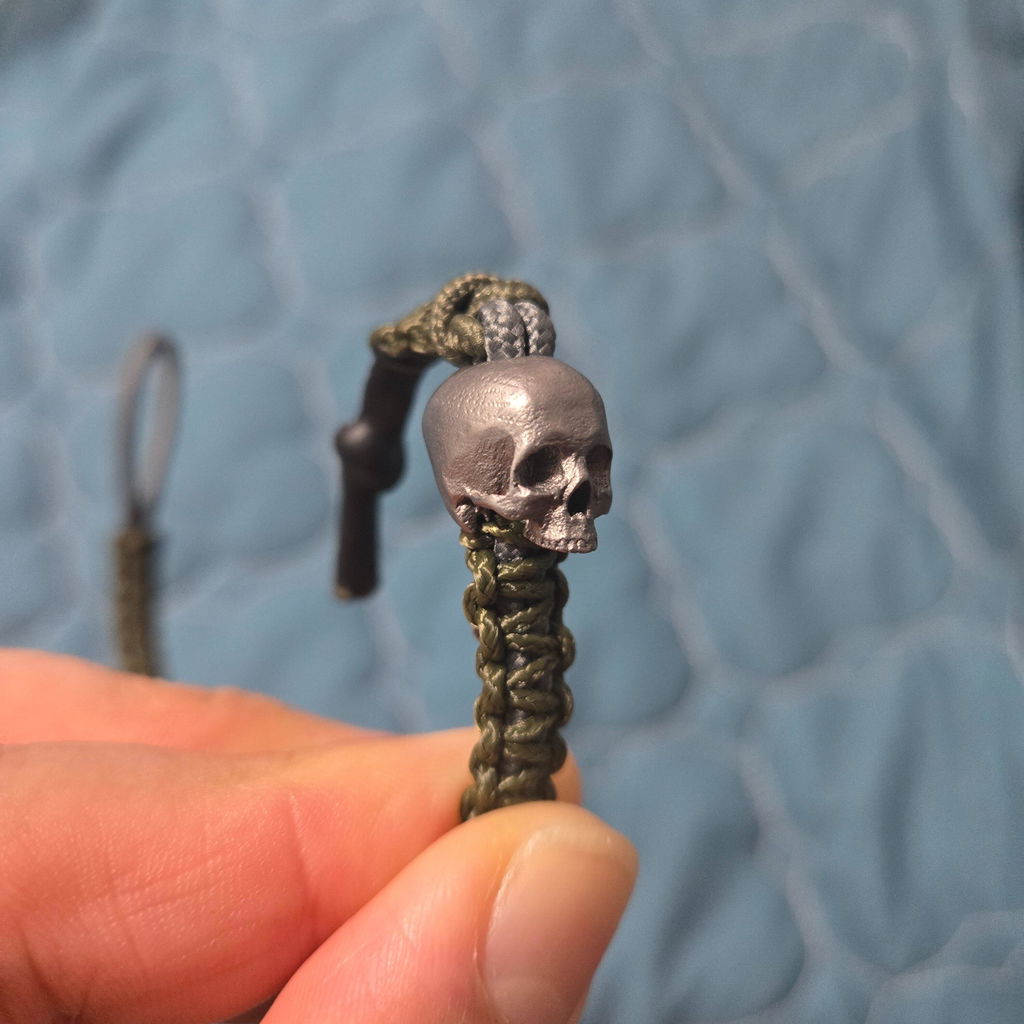
kVery GoodI made a bracelet with beautiful beads. I really like it
![kyungmin kim review photo]()
![kyungmin kim review photo]()
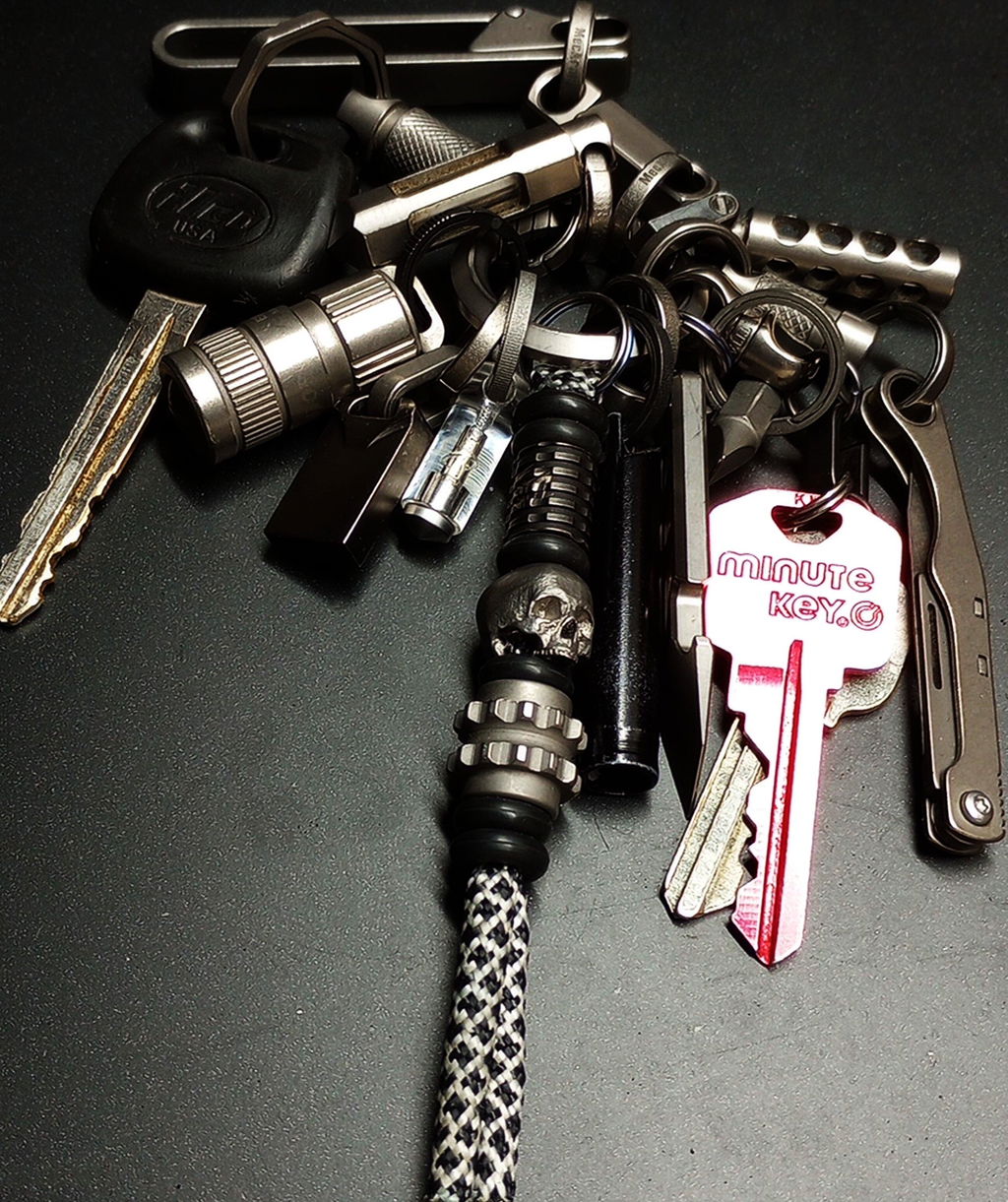
![kyungmin kim review photo]() WI've added a photo of the Skull in my EDC
WI've added a photo of the Skull in my EDCGreat things come in small packages
![W.Ruppert review photo]() WVery Nice Smaller Bead
WVery Nice Smaller BeadIf I had my druthers, it would be 1/4 size larger, as it is the fit & finish is perfect, as is the modeling that created it. I will be back for more :)
-
Specifications
Specifications:
Material:
- 6AL-4V Titanium
- Length: 14.35mm / 0.56"
- Height: 13.25mm / 0.52"
- Width: 11.64mm / 0.46"
- Painstakingly Scanned from a Medical-Grade Human Skull
- Direct Metal Laser Sintering (DMLS) Fabrication
- 5mm / 0.20" Diameter Bore for Cordage
- Fine Matte Finish
- Fits Type-95 to 550 Paracord (inner strands removed for 550)
- Comes Packed in Gift Tin with EVA Foam Insert
FAQ
What cord sizes fit this bead?
The 5mm bore accommodates Type-95 through 550 paracord. For 550 cord, remove the inner strands before threading.
Is this available in other materials?
Fabricated exclusively via DMLS in 6AL-4V titanium. No alternative materials or finishes are offered for this SKU.
Will the titanium finish change over time?
Grade 5 titanium is highly corrosion-resistant and will not rust. The natural finish may develop a subtle patina with daily carry.
How do I attach it to a lanyard?
Thread your cord through the 5mm bore and secure with a knot, girth hitch or your preferred termination. No additional hardware required.
What is the history behind memento mori and its use in art?
Memento mori is Latin for "remember you must die." According to tradition, a Roman general celebrating a triumph rode through the city with a servant stationed behind him repeating the phrase, a check against letting victory curdle into arrogance. Medieval Europe turned the idea into visual doctrine: Danse Macabre frescoes and manuscripts paired skeletons with kings, popes and peasants to show death spares no rank. By the 1600s, Dutch and Flemish painters built an entire genre, vanitas, around the same message, arranging skulls, guttering candles, hourglasses and wilting flowers to argue that wealth, beauty and pleasure run on a clock. The skull became the genre's central image because it reduces every person to the one fact they all share. Carrying that image in titanium keeps a tradition running that has already outlasted several empires.
